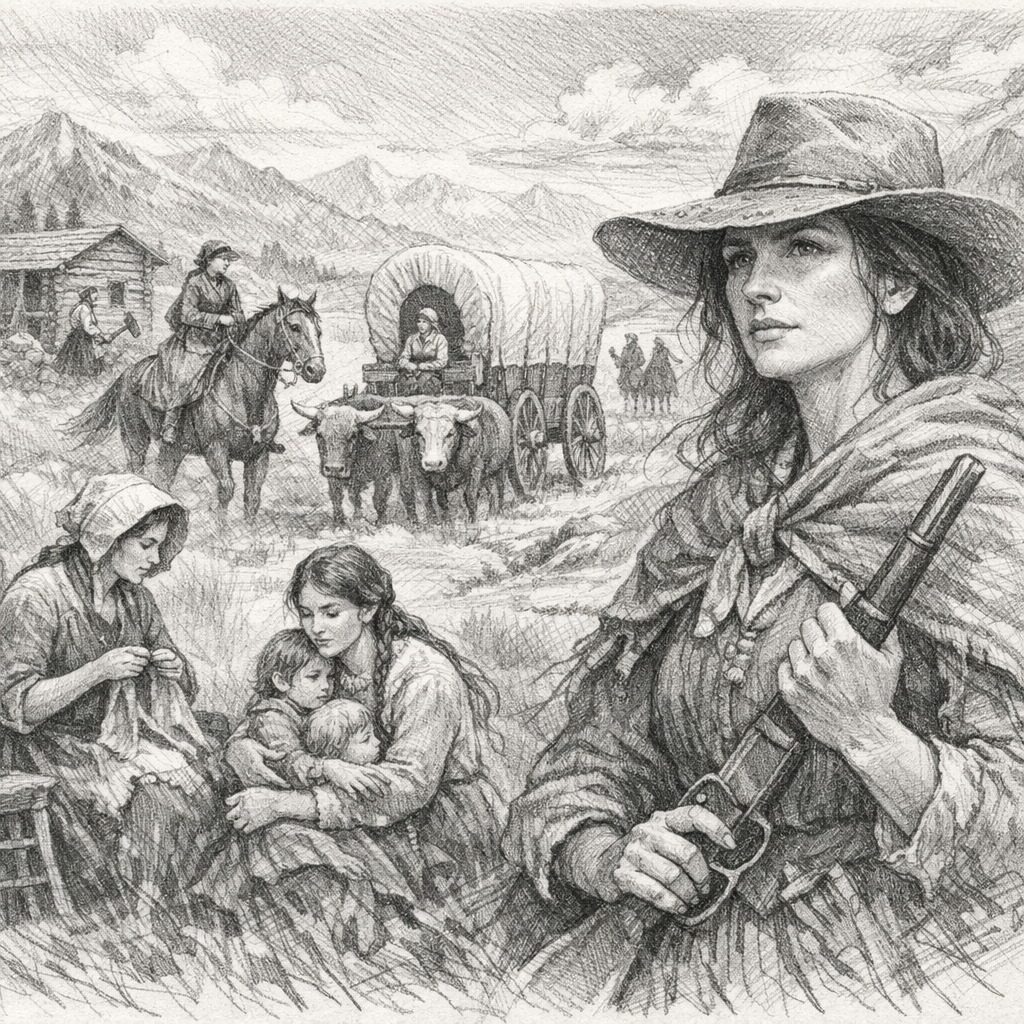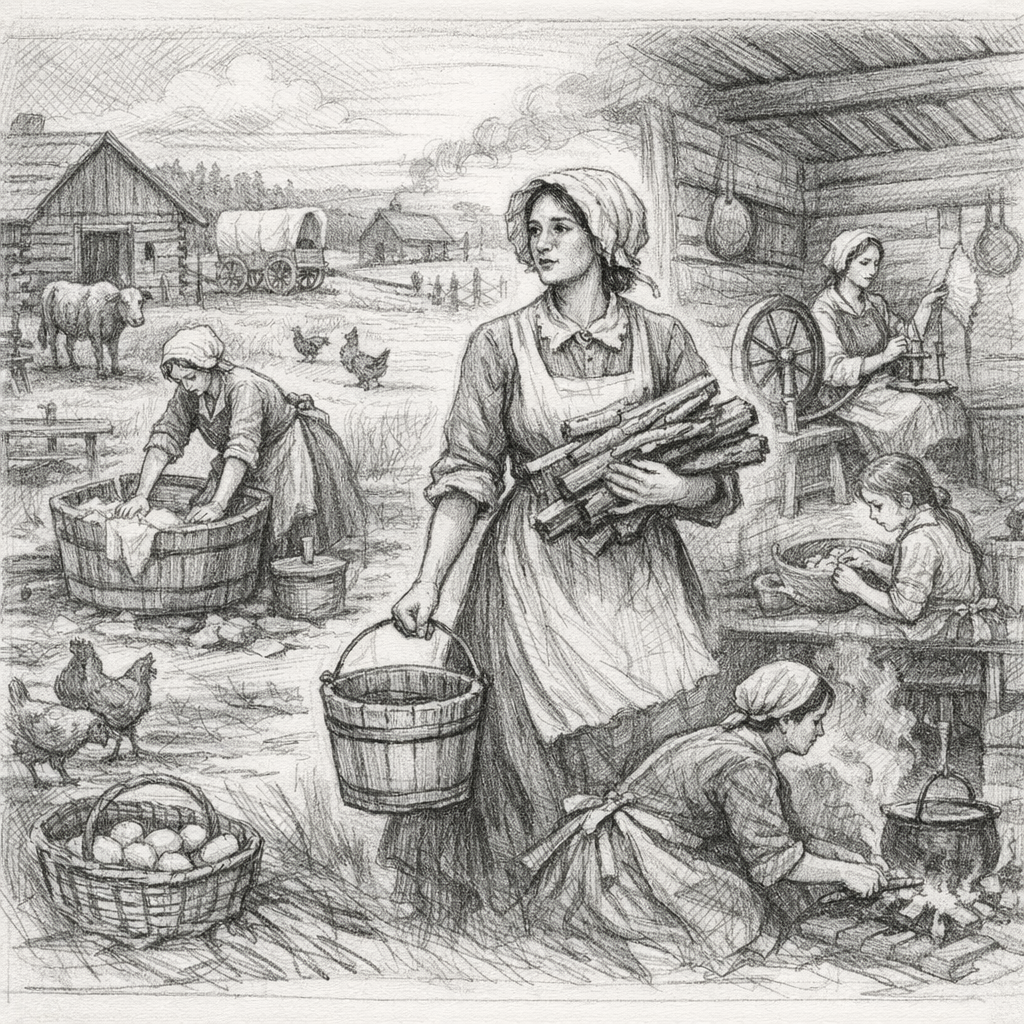
Ancient self‑sufficiency matters today because it offers a regenerative, low‑waste, community‑driven model for living that directly counters many of the vulnerabilities of modern life. For most of human history, people thrived by understanding their land, producing what they needed, and designing systems that reused resources instead of exhausting them. Those older practices — from seed‑saving and composting to communal labor and shared stewardship — weren’t romantic ideals; they were adaptable survival strategies shaped by centuries of trial and error. In a world now defined by supply‑chain fragility, environmental strain, and digital dependence, the ancient mindset of making do, repairing, repurposing, and cooperating becomes newly relevant. It teaches us to value circular systems over disposable ones, to build resilience through local knowledge, and to strengthen social bonds that help communities weather uncertainty. By revisiting these time‑tested approaches, we don’t step backward — we rediscover a blueprint for sustainable living that is flexible enough to meet modern challenges while reducing waste, restoring ecosystems, and empowering people to take an active role in their own well‑being.
Mastering the Land: Ancient Agriculture
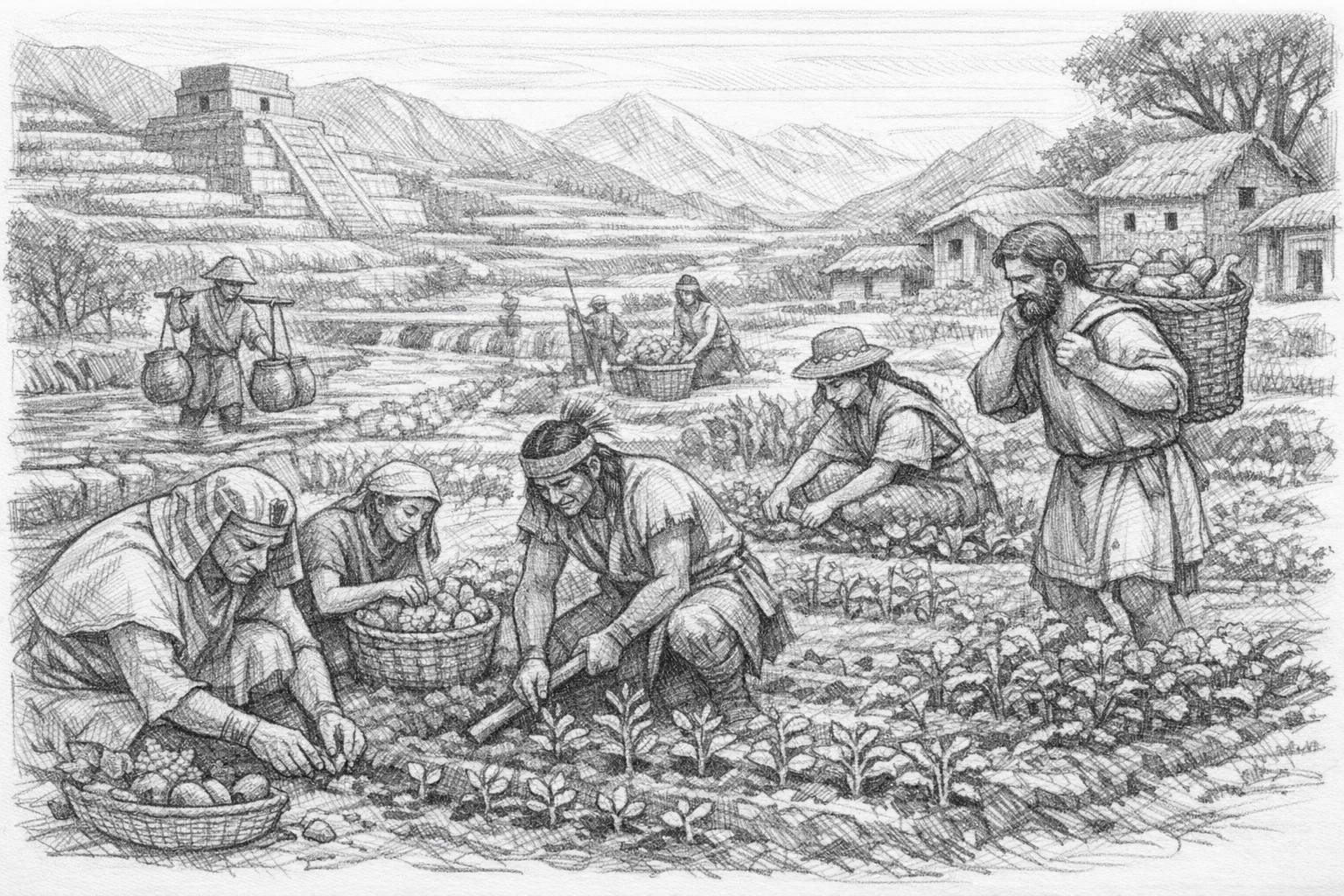
Mastering the land was one of humanity’s earliest and most transformative achievements, and ancient agricultural societies developed techniques so advanced and adaptive that many still shape sustainable farming today. The Egyptians engineered basin irrigation along the Nile, using seasonal floods to deposit nutrient‑rich silt and channeling water through networks of dikes and canals that maximized crop yields in an otherwise arid landscape. The Persians refined irrigation even further with their ingenious qanat systems — underground tunnels that transported water across long distances while minimizing evaporation, allowing agriculture to flourish in desert regions. Across the ocean, the Inca carved terraces into the steep Andean mountainsides, creating microclimates that stabilized soil, conserved water, and expanded arable land where farming would otherwise be impossible. These innovations weren’t just technological feats; they were expressions of deep ecological understanding, showing how ancient cultures shaped their environments with precision, creativity, and long‑term sustainability in mind.
At the same time, Indigenous peoples of North America developed agricultural systems rooted in ecological harmony, none more iconic than the “three sisters” method of companion planting. By growing corn, beans, and squash together, they created a mutually supportive ecosystem: corn provided a natural trellis, beans fixed nitrogen into the soil, and squash leaves shaded the ground to retain moisture and suppress weeds. This approach exemplified a holistic understanding of soil health, biodiversity, and resource efficiency — principles modern regenerative agriculture now seeks to reclaim. When viewed together, these ancient practices reveal a shared legacy of adaptability, low‑waste design, and community‑driven stewardship. They remind us that sustainable agriculture isn’t a new invention but a rediscovery of wisdom refined over millennia, offering powerful lessons for feeding a changing world while caring for the land that sustains us.
Seed Saving and Crop Diversity
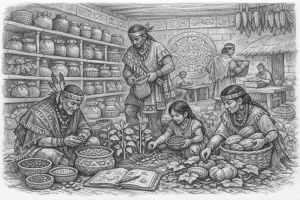
Seed saving and crop diversity were cornerstones of agricultural resilience in the ancient world, and civilizations like the Chinese and the Aztecs elevated these practices into sophisticated systems that functioned much like early seed libraries. The Chinese preserved vast collections of rice, millet, and medicinal plant seeds, ensuring that farmers could replant varieties adapted to different climates, soils, and seasonal conditions. The Aztecs, farming in the challenging environments of central Mexico, maintained stores of maize, beans, amaranth, and other native crops, carefully selecting seeds for traits like drought tolerance, flavor, and yield. These seed repositories mattered because they protected genetic diversity — the biological insurance policy that allowed societies to recover from crop failures, adapt to shifting weather patterns, and experiment with new growing techniques. By safeguarding a wide range of plant varieties, ancient cultures ensured food security, ecological stability, and cultural continuity. Their commitment to seed stewardship offers a powerful reminder that biodiversity isn’t just a scientific concept; it’s a survival strategy refined over thousands of years.
Firecraft and Heat Management
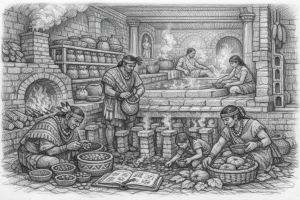
Firecraft and heat management were essential skills that shaped the survival, comfort, and engineering achievements of ancient civilizations, revealing just how deeply our ancestors understood the behavior of fire. Early societies mastered everything from controlled open‑hearth cooking to charcoal production, kiln firing, and metalworking, each requiring precise regulation of airflow, fuel, and temperature. The Romans pushed heat management into the realm of architectural innovation with their hypocaust systems, an early form of central heating that circulated warm air beneath floors and through hollow walls to heat villas, bathhouses, and public buildings with remarkable efficiency. Other cultures refined firecraft in their own ways: from the carefully tended ceremonial fires of Indigenous peoples to the advanced furnace designs of ancient China and the efficient clay stoves used across Mesoamerica. These systems weren’t just about warmth or cooking — they represented a sophisticated understanding of combustion, insulation, and energy flow. By learning to harness fire safely and effectively, ancient peoples expanded their technological capabilities, strengthened their communities, and laid the groundwork for many of the heating and manufacturing systems we still rely on today.
Natural Building: Homes Made From Earth
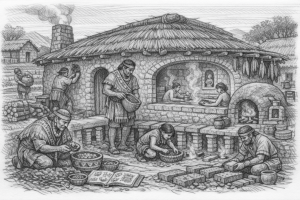
Natural building has deep roots across the world, and ancient civilizations mastered the art of creating durable, comfortable homes using the earth beneath their feet. Cob and adobe — mixtures of clay, sand, straw, and water — were widely used in Africa, the Middle East, and the Americas because they were abundant, low‑cost, and remarkably effective at regulating indoor temperatures. These earthen materials absorbed heat during the day and released it slowly at night, creating naturally stable living environments in both hot deserts and cooler highlands. Their plasticity allowed builders to shape walls by hand, forming structures that were not only functional but expressive of local culture and craftsmanship. In many regions, these homes lasted for generations, proving that simple, regenerative materials could produce architecture that was both resilient and deeply connected to the land.
Alongside earthen construction, timber framing emerged as a powerful architectural tradition in places rich with forests. The Japanese refined timber joinery into a sophisticated craft, building temples and homes without nails, relying instead on interlocking wooden joints that allowed structures to flex during earthquakes. This precision engineering made their buildings both strong and adaptable. The Vikings, facing harsh northern climates, used heavy timber frames and insulating materials like sod to create longhouses capable of withstanding brutal winters. Their mastery of wood allowed them to build not only homes but also the ships that carried them across oceans. In both cultures, timber framing reflected a deep respect for natural materials and an understanding of how to work with — rather than against — the environment.
Stone construction, meanwhile, showcased the monumental ambitions and engineering brilliance of civilizations like the Greeks, Romans, and Inca. The Greeks used finely cut marble and limestone to build temples that emphasized harmony and proportion, structures that still stand as icons of classical architecture. The Romans expanded stone engineering with arches, vaults, and concrete, creating aqueducts, amphitheaters, and public buildings that transformed urban life. The Inca, working high in the Andes, developed a unique method of fitting massive stones together without mortar, crafting walls so precisely joined that they could withstand earthquakes that toppled later colonial structures. Across these cultures, stone symbolized permanence, ingenuity, and a profound understanding of geology. Together, the traditions of earth, wood, and stone building reveal how ancient peoples created homes that were sustainable, climate‑responsive, and deeply rooted in place — lessons that resonate strongly in today’s search for natural, low‑impact architecture.
Animal Husbandry and Pastoral Wisdom
Animal husbandry and pastoral wisdom were central to the survival and cultural identity of many ancient societies, and few exemplified this better than the Mongols. As nomadic herders on the Central Asian steppe, they developed a deep, intuitive understanding of animal behavior, seasonal grazing patterns, and land stewardship. Their herds of horses, sheep, goats, yaks, and camels were not just food sources but mobile ecosystems that supported every aspect of life — transportation, clothing, shelter, and trade. The Mongols mastered rotational grazing long before it had a name, moving with the seasons to prevent overuse of any one area and allowing grasslands to regenerate naturally. This mobility created a sustainable balance between people, animals, and the land, demonstrating how pastoralism could thrive in environments too harsh for settled agriculture.
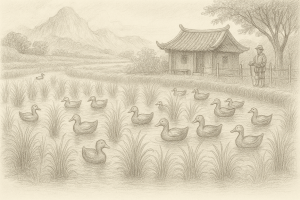
In contrast, ancient China developed highly integrated farming systems that blended agriculture and animal husbandry into mutually reinforcing cycles. One of the most ingenious examples was the rice–duck system, where ducks were released into flooded rice paddies to eat pests, fertilize the water with their droppings, and stir up nutrients that boosted plant growth. This closed-loop approach reduced the need for manual labor and chemical inputs while increasing yields — a regenerative model long before the term existed. Together, nomadic herding and integrated farming show two very different but equally sophisticated ways ancient peoples worked with animals to enhance food security, maintain ecological balance, and build resilient livelihoods. These systems remind us that sustainable agriculture isn’t a modern invention but a legacy of careful observation, adaptation, and respect for the natural world.
Herbal Medicine and Natural Healing
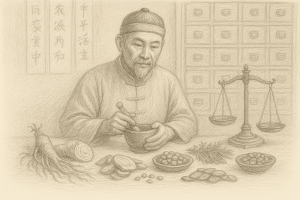
Herbal medicine and natural healing formed the backbone of ancient healthcare systems, and civilizations across the world developed sophisticated botanical knowledge long before written science emerged. In Egypt, healers combined spiritual practice with practical remedies, using plants like aloe, garlic, myrrh, and willow bark in treatments recorded in texts such as the Ebers Papyrus. Their physicians understood antiseptic properties, digestive aids, and pain‑relieving compounds, blending observation with ritual to create a holistic approach to wellness. Egyptian medicine was not primitive guesswork — it was a carefully refined system that recognized the healing power of plants and the importance of maintaining balance within the body.
Traditional Chinese Medicine (TCM) expanded herbal healing into a vast, interconnected philosophy that viewed the body as an ecosystem governed by qi, yin‑yang balance, and the harmony of organ systems. Practitioners used hundreds of herbs — ginseng for vitality, astragalus for immunity, ginger for digestion, and countless others — often combined into formulas tailored to the individual. These remedies were paired with acupuncture, diet, and movement practices like qigong to restore internal equilibrium. What made TCM so enduring was its adaptability: it evolved over millennia, incorporating new plants, refining techniques, and emphasizing prevention as much as cure.
Indigenous tribes across the Americas also developed rich healing traditions rooted in deep relationships with the land. Native healers used plants such as sage, cedar, echinacea, and sweetgrass not only for physical ailments but also for spiritual cleansing and emotional balance. Their knowledge came from generations of observation, experimentation, and respect for the natural world, often integrating ceremony, storytelling, and community care. These systems recognized that healing was not just about treating symptoms — it was about restoring harmony between people, their environment, and their community. Together, Egyptian medicine, TCM, and Indigenous healing reveal a global legacy of botanical wisdom that continues to influence modern herbalism and holistic health today.
Textiles, Clothing, and Craftsmanship
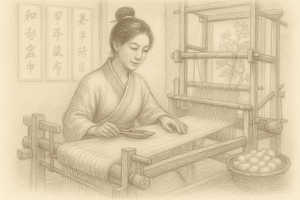
Textiles, clothing, and craftsmanship were essential expressions of culture and survival in the ancient world, and civilizations across continents developed remarkably advanced techniques for turning raw materials into functional and artistic garments. Egyptian, Chinese, and Andean cultures all mastered spinning and weaving, each adapting their methods to local resources and needs. Egyptians spun flax into linen, producing fabrics prized for their lightness in the desert climate and weaving them on vertical looms with impressive precision. The Chinese elevated silk production into a guarded imperial secret, cultivating mulberry-fed silkworms and developing looms capable of producing intricate brocades that symbolized status and refinement. In the Andes, cultures like the Inca created some of the world’s most sophisticated textiles using alpaca and llama fibers, weaving geometric patterns that carried social and spiritual meaning. Across these regions, textile work was both a practical necessity and a highly respected art form, reflecting deep knowledge of plants, animals, and the environment.
Nomadic tribes, living in harsh and ever‑changing landscapes, relied heavily on leather and hide work to create durable clothing, shelter, and tools. Groups such as the Mongols, Scythians, and various Indigenous peoples of North America developed expert tanning techniques that transformed raw hides into soft, weather‑resistant materials. These were crafted into boots, coats, tents, saddles, and harnesses — items essential for mobility and survival. Their craftsmanship emphasized efficiency and adaptability: garments were designed to withstand extreme temperatures, long travel, and daily wear. Leatherwork also carried cultural significance, with decorative stitching, beadwork, or carving used to mark identity, status, or spiritual beliefs. For nomadic societies, hides were more than materials; they were a complete resource system that supported life on the move.
Natural dyes added another layer of creativity and environmental knowledge to ancient textile traditions. Civilizations around the world learned to extract vibrant colors from plants, minerals, insects, and even soil. Indigo, madder, saffron, cochineal, and ochre were among the many sources used to produce blues, reds, yellows, and earthy tones. These dyes required careful preparation — fermenting leaves, grinding minerals, boiling roots — and often involved complex mordanting processes to ensure colors bonded to fibers and remained vivid over time. The resulting textiles were not only beautiful but also deeply symbolic, with certain colors reserved for elites or used in rituals. Together, spinning, weaving, leatherwork, and natural dyeing reveal a global heritage of craftsmanship rooted in resourcefulness, artistry, and a profound connection to the natural world.
Food Preservation: Surviving the Lean Seasons
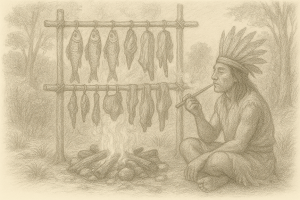
Food preservation was one of the most important survival skills of the ancient world, allowing communities to endure long winters, droughts, and unpredictable harvests. Indigenous tribes across the Americas perfected drying and smoking as reliable, low‑resource methods for extending the life of meat, fish, fruits, and herbs. By removing moisture and infusing foods with smoke, they created lightweight, nutrient‑dense staples that could be stored for months and carried during seasonal migrations. These techniques were not only practical but deeply cultural, often tied to communal gatherings and knowledge passed down through generations. Drying racks, smokehouses, and sun‑baked platforms became essential tools that helped entire societies remain resilient in harsh climates.
In the Mediterranean world, the Romans relied heavily on salting and pickling to preserve their vast food supplies. Salted fish, cured meats, olives, and pickled vegetables filled their storerooms and fueled armies on long campaigns. Salt acted as a powerful antimicrobial agent, drawing moisture out of foods and preventing spoilage, while vinegar‑based pickling added acidity that further extended shelf life. These methods supported the Roman Empire’s expansion by ensuring stable provisions for soldiers, sailors, and urban populations. Their techniques spread across Europe and influenced later culinary traditions, demonstrating how preservation shaped not just diets but entire economies and military strategies.
Fermentation emerged as another ingenious solution across ancient Korea, Scandinavia, and Europe, transforming perishable foods into long‑lasting, nutrient‑rich staples. Koreans developed kimchi, fermented soybean pastes, and other probiotic foods that provided essential vitamins during winter. Scandinavians fermented fish and dairy to survive long, dark seasons with limited fresh resources. Across Europe, sauerkraut, cheeses, and ales became dietary cornerstones, each relying on beneficial microbes to preserve food while enhancing flavor and digestibility. Fermentation wasn’t just a preservation method — it was a form of biological craftsmanship that turned scarcity into abundance.
Root cellars offered yet another strategy, using the earth itself as a natural refrigerator. By storing potatoes, carrots, apples, grains, and other hardy crops underground, ancient and medieval communities could maintain stable temperatures and humidity levels year‑round. These cellars protected food from frost, heat, and pests without the need for fuel or complex technology. Together, drying, smoking, salting, pickling, fermentation, and root cellaring formed a powerful toolkit that allowed civilizations to thrive despite seasonal challenges. They reveal a universal truth: survival has always depended on creativity, resourcefulness, and a deep understanding of nature’s rhythms.
Water Collection and Purification
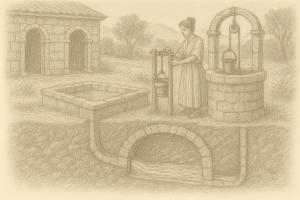
Water collection and purification were essential for ancient civilizations, and many of their innovations still influence sustainable water practices today. The Indus Valley Civilization was among the earliest to master rainwater harvesting, designing sophisticated urban systems that captured monsoon rains and directed them into reservoirs, tanks, and household cisterns. Their cities, like Mohenjo‑Daro, featured carefully planned drainage networks and water‑tight structures that maximized every drop in a region where seasonal rainfall dictated survival. This approach wasn’t just practical — it reflected a deep understanding of climate cycles and the need to store water for dry periods, making their cities some of the most water‑secure of the ancient world.
The Greeks and Romans expanded water management through the widespread use of wells and cisterns, integrating them into both rural settlements and dense urban centers. Greek communities dug deep wells to access groundwater and built stone‑lined cisterns to store rainwater for household use. The Romans, known for their engineering prowess, combined wells with massive aqueduct systems and public cisterns that supplied entire cities with clean, reliable water. These structures were often paired with filtration basins or settling tanks that allowed sediment to drop out before the water was used. Their ability to secure and distribute water on such a large scale supported population growth, public hygiene, and the rise of complex urban life.
Natural filtration also played a crucial role in ancient water purification, long before modern science explained why it worked. Many cultures used layers of sand, gravel, charcoal, and porous stone to filter impurities from collected water, relying on the earth’s natural ability to trap sediments and neutralize contaminants. Some communities allowed water to slowly percolate through soil or clay-lined channels, while others used plant‑based purification methods, such as storing water in vessels made from certain woods or gourds known to improve clarity and taste. These techniques demonstrated a keen observational understanding of natural processes. Together, rainwater harvesting, wells and cisterns, and natural filtration reveal how ancient societies created resilient, low‑tech water systems that remain relevant for sustainable living today.
Community, Trade, and Shared Labor
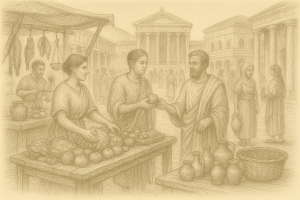
Community, trade, and shared labor formed the backbone of ancient societies, creating networks of support that allowed people to thrive even in difficult environments. Many cultures relied on shared harvests, where families or entire villages worked the fields together and divided the yield to ensure no one went hungry. Collective building projects — from barns and granaries to irrigation canals and defensive walls — were common, with each person contributing labor, materials, or expertise. Barter systems allowed goods and services to flow without currency, strengthening relationships and ensuring that specialized craftspeople, farmers, and herders all had what they needed. Apprenticeships ensured that skills such as metalworking, weaving, herbal medicine, and carpentry were passed down through generations, preserving knowledge that sustained communities for centuries. These systems weren’t just economic structures; they were social glue, binding people together through cooperation, reciprocity, and shared purpose.
As societies grew more complex, these communal networks became essential for resilience. Festivals, markets, and seasonal gatherings created opportunities for trade, storytelling, and the exchange of ideas. Knowledge was preserved not in books but in lived experience — elders teaching youth, artisans mentoring apprentices, and families passing down traditions through daily practice. This intergenerational flow of wisdom ensured that communities could adapt to changing climates, shifting political landscapes, and new technologies. The strength of these ancient systems lay in their flexibility: when one family struggled, others stepped in; when a project was too large for one household, the community tackled it together. Cooperation wasn’t optional — it was a survival strategy.
Modern homesteaders can recreate these powerful networks by embracing community‑based systems that echo ancient practices. Skill‑sharing groups allow neighbors to teach one another everything from gardening and carpentry to canning and herbalism. Seed swaps preserve biodiversity and strengthen local food security, much like ancient seed‑sharing traditions. Tool libraries reduce waste and make expensive equipment accessible to everyone, while local markets and barter fairs revive the spirit of trade without relying solely on money. By rebuilding these connections, today’s homesteaders create resilient, interdependent communities that mirror the strengths of ancient societies — proving that shared labor, collective knowledge, and mutual support are just as vital now as they were thousands of years ago.
What Modern Society Can Learn
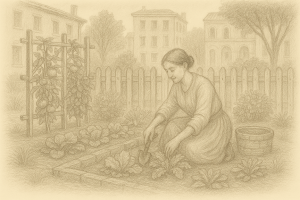
Modern society can learn a tremendous amount from ancient civilizations, especially the reminder that self‑sufficiency was never about isolation — it was about balance, resilience, and connection. Ancient peoples understood how to work with nature rather than against it, designing food systems, homes, and communities that regenerated the land instead of depleting it. They valued craftsmanship not just as a skill, but as a way of honoring materials, creating durable tools, and expressing cultural identity. They preserved knowledge through apprenticeships, oral traditions, and communal memory, ensuring that essential skills were never lost. And perhaps most importantly, they built strong social bonds through shared labor, trade, and mutual support, recognizing that no individual could thrive alone. These principles translate seamlessly into modern life: from urban gardening projects that restore green spaces, to off‑grid homesteads that rely on renewable systems, to neighborhood tool libraries and seed swaps that strengthen community ties. By embracing regenerative practices, valuing skilled hands, and rebuilding networks of shared knowledge, we can create a future that is not only more sustainable, but more connected, grounded, and resilient — much like the ancient societies that thrived long before us.
Bringing Ancient Wisdom Into Your Life
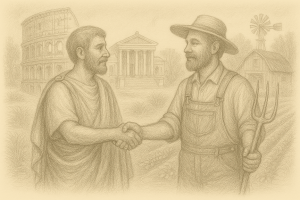
Bringing ancient wisdom into your life starts with small, hands‑on practices that reconnect you to the skills humans relied on for thousands of years. Learning basic foraging — identifying edible plants, understanding seasonal cycles, and harvesting responsibly — builds confidence and deepens your relationship with the land around you. Using ancient gardening methods like companion planting, mulching with natural materials, or building simple irrigation channels teaches you to work with nature’s rhythms instead of fighting them. Practicing natural building techniques such as cob mixing, adobe patching, or simple timber joinery gives you a feel for materials that have sheltered people for millennia. Exploring traditional textile crafts like spinning, weaving, or natural dyeing helps you appreciate the patience and artistry embedded in every handmade item. Experimenting with food preservation — drying herbs, fermenting vegetables, or curing meats — connects you to the same strategies that kept entire civilizations fed through lean seasons.
Each of these skills is more than a hobby; it’s a thread in a long tapestry of human ingenuity. When you learn them, you’re not just becoming more self‑reliant — you’re stepping into a lineage of problem‑solvers, builders, healers, and caretakers who understood how to live in balance with their environment. Whether you live in a city apartment or on an off‑grid homestead, these practices cultivate resilience, creativity, and a deeper sense of belonging. They remind you that ancient wisdom isn’t locked in the past; it’s alive every time you knead clay, weave fiber, gather wild greens, or fill a jar with something you preserved yourself.
Final Thoughts
Ancient civilizations weren’t primitive — they were profoundly intelligent in ways modern society is only beginning to appreciate again. Their systems were sustainable because they were built on observation, patience, and a deep respect for natural rhythms. Whether it was agriculture that regenerated the soil, architecture shaped by climate, or craftsmanship that valued durability over disposability, ancient peoples created solutions that worked with the world rather than trying to dominate it. Their resilience came from understanding limits, adapting to local environments, and maintaining strong community bonds that ensured knowledge, resources, and responsibilities were shared. These cultures thrived not because they had endless resources, but because they learned how to use what they had wisely, creatively, and cooperatively.
As we face modern challenges — climate instability, resource depletion, and fragile global systems — the wisdom of ancient societies feels less like history and more like guidance. Their practices remind us that sustainability isn’t a trend; it’s a mindset rooted in balance and long-term thinking. Their craftsmanship shows the value of making things that last. And their communal structures highlight the strength found in cooperation. And their regenerative systems offer blueprints for everything from urban gardens to off‑grid homesteads. By looking back with humility, we gain tools to move forward with intention, building a future that honors both human ingenuity and the natural world that sustains us.