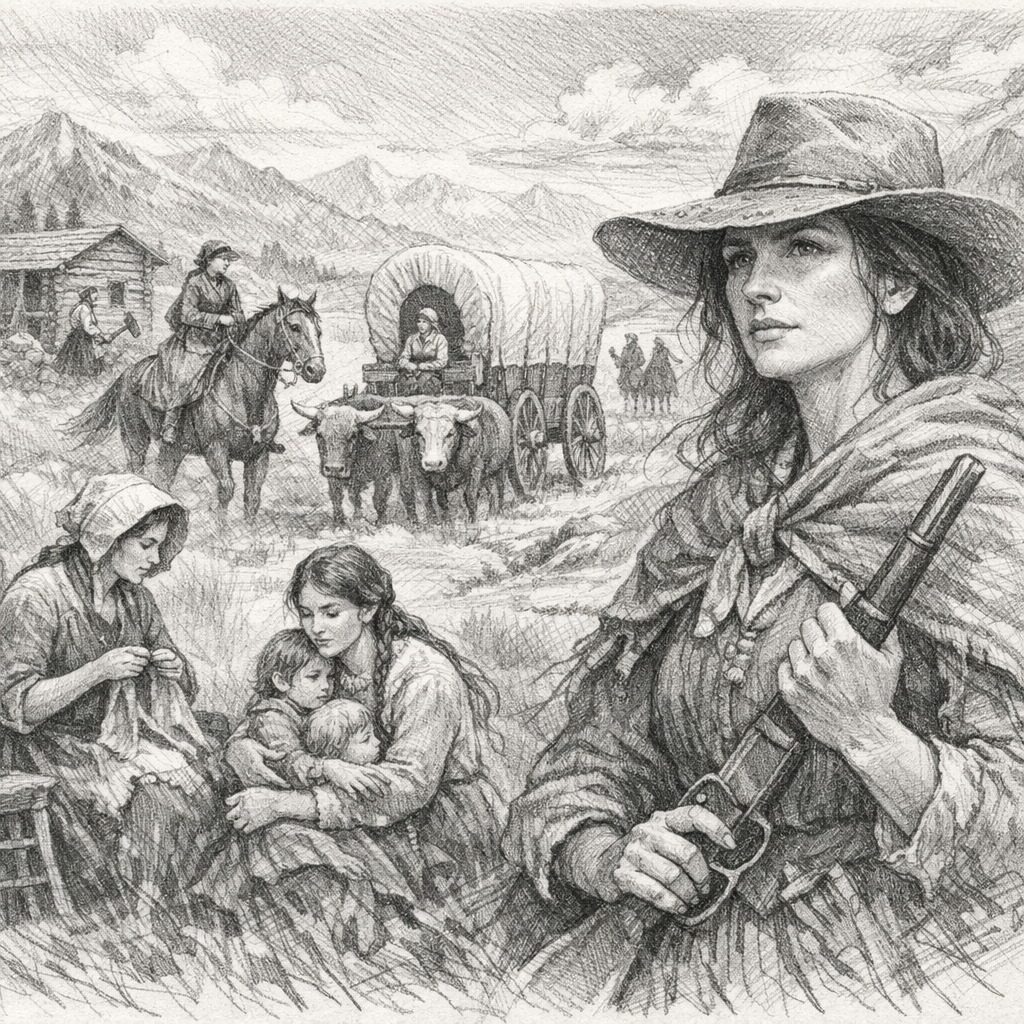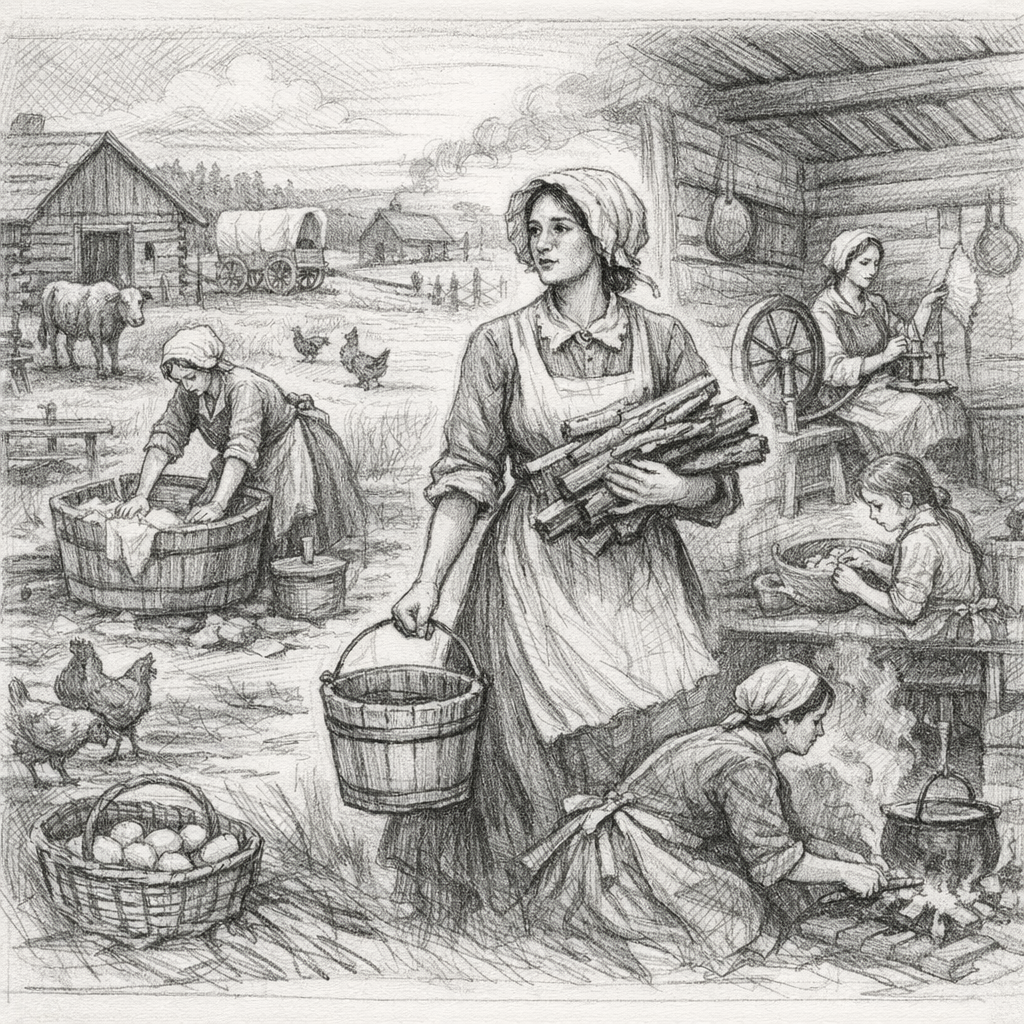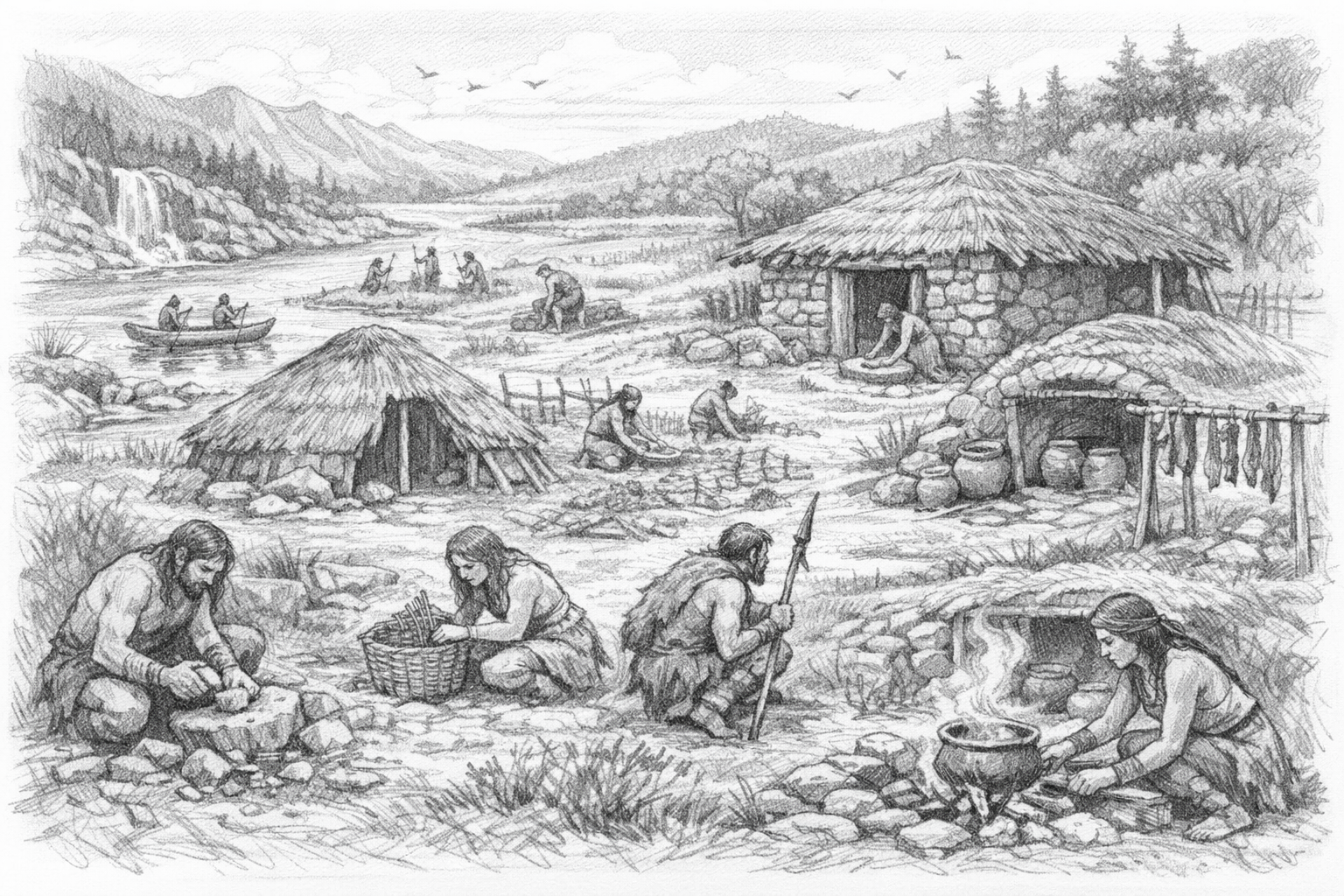
Modern homesteading often feels like a radical act of independence—a conscious decision to step away from the grid, to grow one’s own food, and to live in harmony with nature. Yet, this movement is not new. Long before solar panels and composting toilets, early humans lived entirely off the land, guided by instinct, necessity, and an intimate understanding of their environment. Their settlements were the first experiments in sustainability, community, and resilience. In many ways, they were the original homesteaders, and their lessons remain profoundly relevant for anyone seeking a self‑sufficient life today.
Choosing the Land: How Early Humans Found Home
The first step in any homesteading journey is finding the right land—a principle that guided early humans as much as it does modern settlers. For our ancestors, location was everything. They sought places that offered water, shelter, and access to food sources. Rivers and lakes were lifelines, providing drinking water, fish, and fertile soil for early agriculture. Forests offered wood for building and fuel, while open plains supported hunting and grazing animals. These choices were not random; they reflected a deep understanding of ecology and seasonal rhythms.
Early humans also considered protection. Settlements were often built near natural barriers—cliffs, hills, or dense vegetation—that shielded them from predators and harsh weather. They learned to read the land, to sense where the soil was rich and where the wind would bite hardest. Modern homesteaders, too, benefit from this awareness. Choosing land with natural resources and favorable microclimates can mean the difference between thriving and struggling. The wisdom of early humans reminds us that sustainability begins with observation.
Building With Nature: The Architecture of Survival
Without modern tools or manufactured materials, early humans built homes that were both functional and harmonious with their surroundings. Their shelters were made from what the land provided—mud, stone, wood, reeds, and animal hides. In cold regions, thick walls of earth or stone trapped heat; in hot climates, open structures allowed air to circulate. These homes were not just shelters but reflections of environmental adaptation.
The concept of thermal mass, now celebrated in eco‑architecture, was instinctively understood by ancient builders. Thick earthen walls absorbed heat during the day and released it slowly at night, maintaining a comfortable temperature without external energy. Similarly, the orientation of dwellings—often facing the sun or shielded from prevailing winds—demonstrated an intuitive grasp of passive heating and cooling.
Modern off‑grid builders echo these principles through cob houses, straw‑bale construction, and timber framing. The lesson is timeless: the most sustainable home is one that works with the land, not against it. By using local materials and respecting natural forces, early humans achieved what many modern architects still strive for—durability, comfort, and ecological balance.
Food Before Farming: Foraging, Hunting, and Seasonal Wisdom
Before agriculture transformed human life, survival depended on mobility and knowledge. Early humans were expert foragers, hunters, and gatherers. They knew which plants were edible, which roots healed, and which berries could kill. Their diets were diverse, shaped by the seasons and the landscape. This variety ensured nutritional balance and resilience against scarcity.
Foraging was not guesswork—it was science born of observation. People learned to identify edible species, track animal migrations, and predict seasonal abundance. They preserved food through drying, smoking, and fermenting—techniques still used by homesteaders today. Hunting was equally sophisticated, requiring cooperation, strategy, and respect for the animals that sustained them. Nothing was wasted; bones became tools, hides became clothing, and fat became fuel.
Modern homesteaders can learn from this holistic approach to food. Diversifying sources—gardening, foraging, raising livestock, and preserving—creates security and connection to the land. The rhythm of early life teaches that food is not a commodity but a relationship between humans and nature.
The Agricultural Revolution: The Birth of the Homestead
Around 10,000 years ago, humans began to settle permanently, cultivating crops and domesticating animals. This shift marked the dawn of the true homestead—a place where families lived year‑round, built infrastructure, and planned for the future. Agriculture brought stability but also new challenges: soil depletion, pests, and dependence on weather. To overcome these, early farmers developed ingenious systems of crop rotation, irrigation, and seed preservation.
Their farms were small and diverse. Instead of monocultures, they planted grains, legumes, vegetables, and fruit trees together, creating natural pest control and soil enrichment. Animals were integrated into the system, providing manure for fertilizer and labor for plowing. This closed‑loop approach minimized waste and maximized productivity—a model that modern permaculture seeks to replicate.
The first farmers also understood the importance of community. Shared labor and collective storage ensured survival through droughts and harsh winters. They built granaries, communal ovens, and irrigation networks—early examples of cooperative infrastructure. Today’s homesteaders, often isolated by geography or ideology, can rediscover this sense of interdependence. Sustainability is not just about independence; it’s about connection.
Preserving the Harvest: Ancient Techniques for Modern Resilience
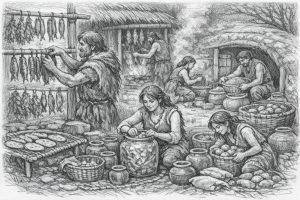
Without refrigeration or electricity, early humans mastered preservation. They dried meat and fish in the sun, smoked food over fires, and stored grains in sealed clay jars. Fermentation was a cornerstone of their diet, transforming perishables into long‑lasting, nutrient‑rich staples. From fermented milk to pickled vegetables, these foods provided probiotics and essential vitamins during lean seasons.
Root cellars—cool, dark spaces dug into the earth—kept tubers and grains fresh for months. The principle was simple: use the earth’s natural insulation to regulate temperature and humidity. Modern homesteaders still rely on these methods, proving that low‑tech solutions often outperform high‑tech ones in reliability and cost.
Preservation was not just practical; it was cultural. It created rituals of preparation and celebration, marking the transition between seasons. In a world where food is abundant yet fragile, these ancient techniques remind us that resilience begins with foresight.
Community and Cooperation: The Original Social Network
The image of the solitary off‑grid homesteader is romantic but misleading. Early humans survived through cooperation, not isolation. Their communities were built on shared labor, mutual protection, and collective knowledge. Tasks were divided by skill and need—hunters, gatherers, builders, healers—all contributing to the group’s survival.
Knowledge was passed orally, through stories and apprenticeship. Elders taught younger generations how to track animals, identify plants, and build shelters. This transmission of wisdom created continuity and identity. Modern homesteaders, often learning through books or online tutorials, can benefit from reviving this human connection—mentorship, collaboration, and shared experience.
Mutual aid was also a form of insurance. When one family’s crops failed, others shared their surplus. When danger approached, everyone defended the settlement. This spirit of cooperation is as vital today as it was millennia ago. Off‑grid living may emphasize independence, but true sustainability thrives in community.
Sustainability Before the Word Existed
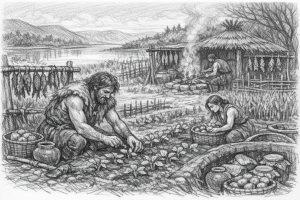
Early humans lived within ecological limits because they had no choice. Their survival depended on maintaining balance with nature. They practiced what we now call sustainability—rotating hunting grounds, allowing fields to rest, and using every resource fully. Waste was minimal because everything had value.
Their systems were inherently circular. Animal manure fertilized crops; ash enriched soil; bones became tools; plant scraps fed livestock. Modern sustainability movements echo these ancient practices, but our ancestors lived them instinctively. They understood that taking too much from the land meant jeopardizing future generations.
This respect for natural cycles is perhaps the most profound lesson early humans offer. They observed patterns—the migration of animals, the blooming of plants, the rise and fall of rivers—and adapted accordingly. In contrast, modern society often seeks to dominate nature rather than coexist with it. Homesteading, at its best, restores that balance.
Lessons for the Modern Off‑Grid Life
The original off‑grid life was not a choice but a necessity. Yet, the principles that sustained early humans—resourcefulness, cooperation, and respect for nature—are precisely what modern homesteaders seek to reclaim. Their wisdom offers a blueprint for resilience in an uncertain world.
First, prioritize essentials: water, shelter, food, and community. These are the foundations of life, and they remain unchanged across millennia. Second, build with what you have. Local materials are not only sustainable but also connect you to your environment. Third, diversify—your crops, your skills, your income streams. Diversity is nature’s insurance policy. Fourth, observe and adapt. The land will tell you what it needs if you learn to listen. And finally, remember that independence does not mean isolation. Community is the oldest form of security.
Returning to Our Roots
The modern off‑grid movement is often framed as rebellion against industrial society, but in truth, it is a return—a reconnection with the rhythms that shaped humanity. Early human settlements were laboratories of survival, creativity, and cooperation. They remind us that sustainability is not a trend but a tradition.
To live off the grid today is to honor that lineage. It is to rediscover the art of living simply, building wisely, and sharing generously. The original homesteaders did not have electricity, plumbing, or machines, yet they built lives rich in meaning and resilience. Their legacy endures in every seed planted, every home built from earth, and every community that chooses to live in harmony with the land.
In the end, the story of early human settlements is not just history—it is guidance. It tells us that the path forward may lie in looking back, in remembering that the most advanced form of living might be the one that began thousands of years ago