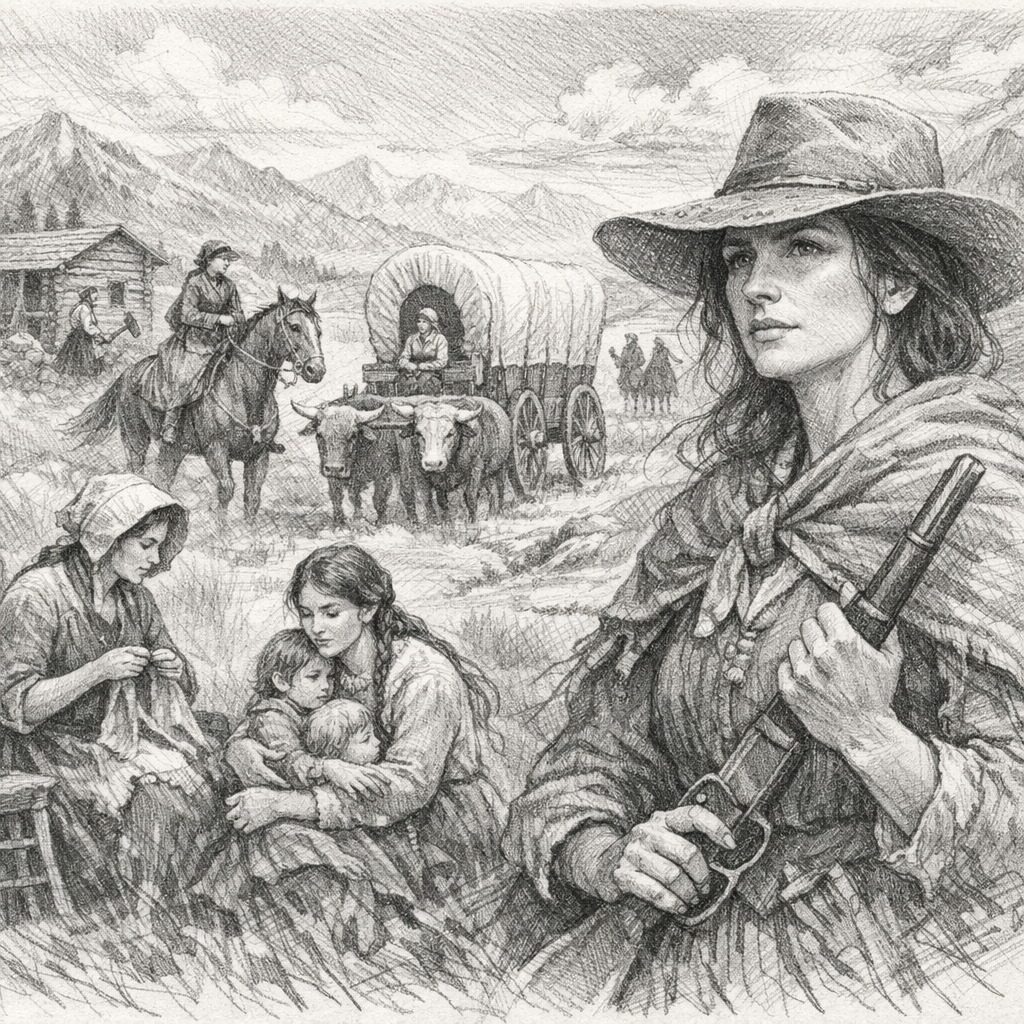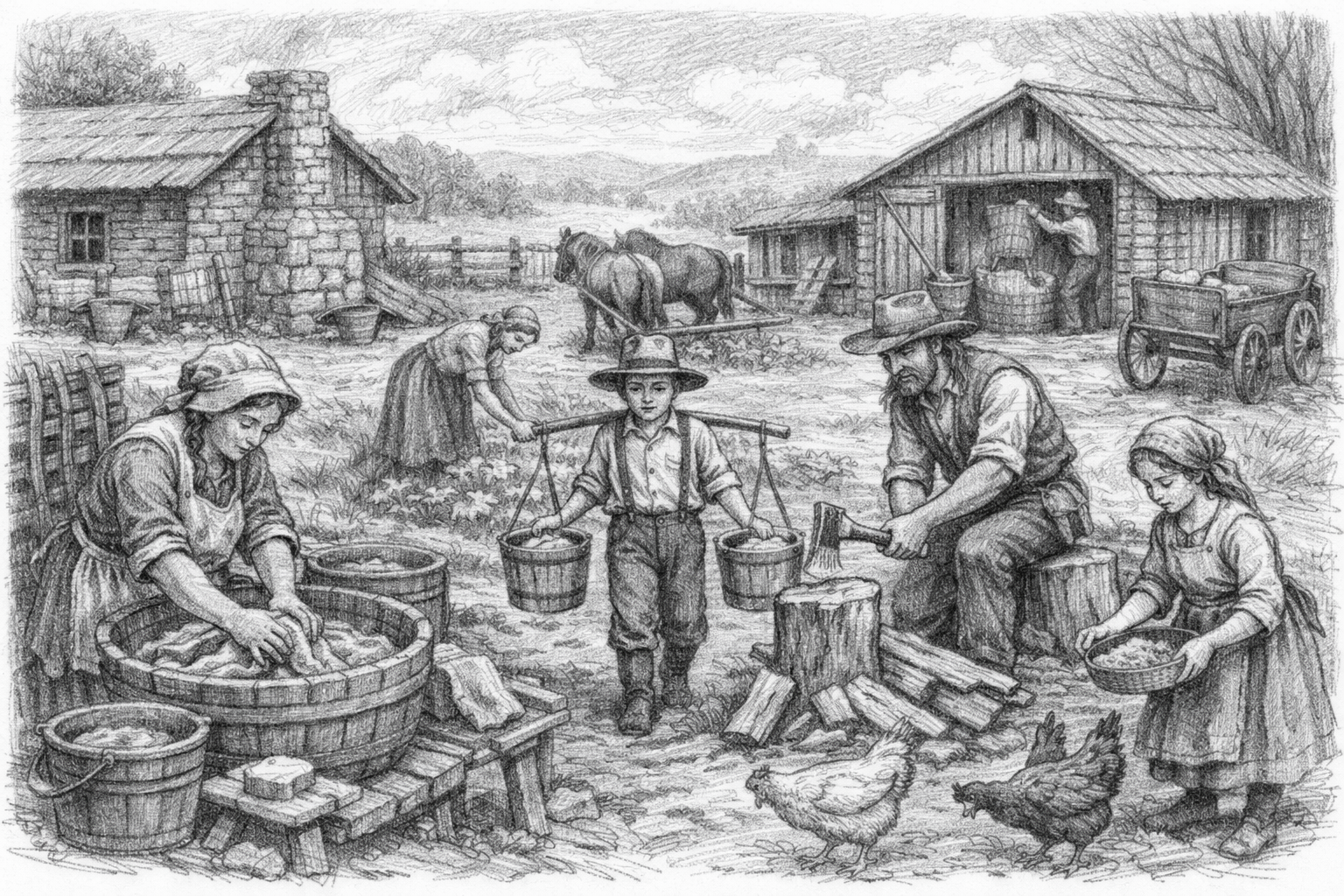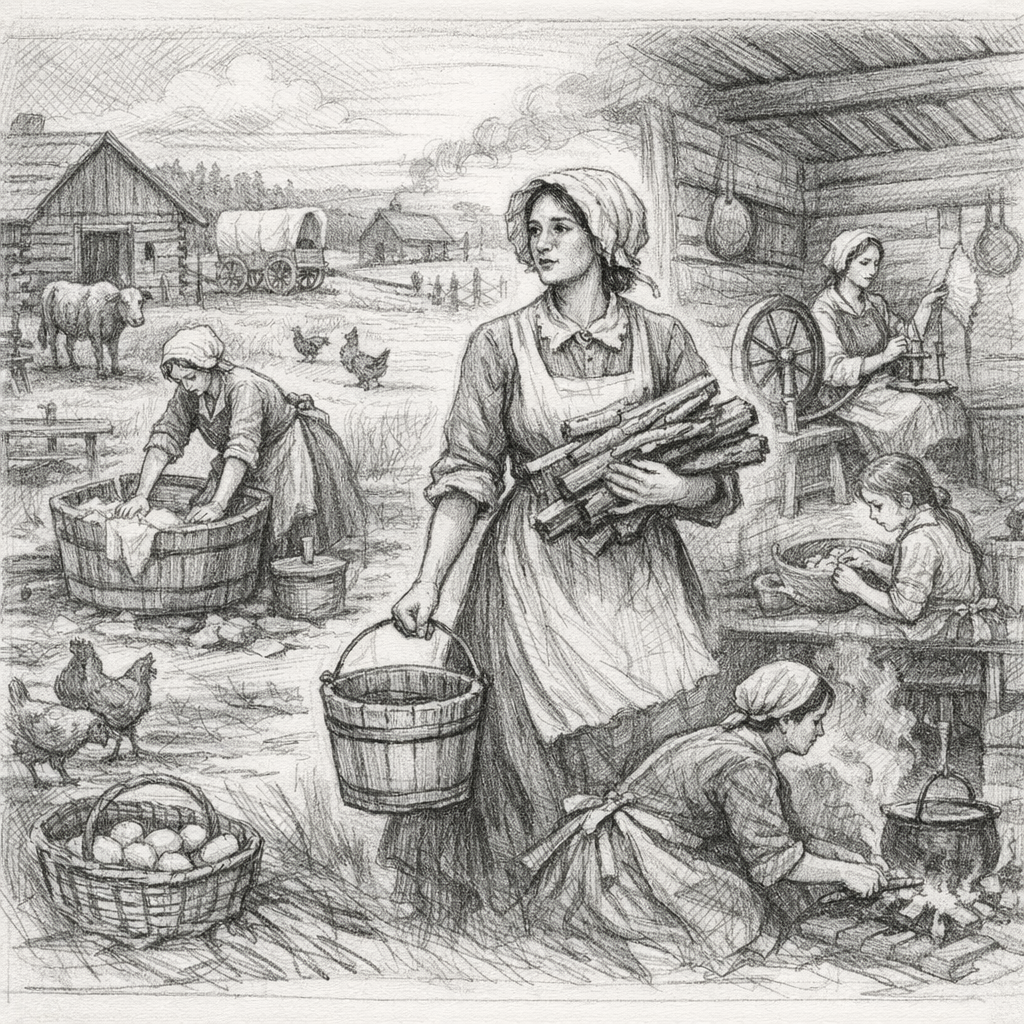
When people imagine the 1800s homestead, they often picture men plowing fields, chopping wood, and building cabins. Yet behind every one of those scenes stood women whose labor was just as essential—often more so. Their work was constant, unrelenting, and woven into every hour of the day. Women were the quiet architects of survival on the frontier, performing tasks that demanded strength, intelligence, and resilience. They created order in a world defined by uncertainty, and they did so while carrying the emotional weight of isolation, danger, and responsibility. Their contributions were so deeply embedded in daily life that they became invisible, taken for granted even as they held families and communities together.
The Endless Work of Feeding a Family
Food did not simply appear on the table in a homestead household. Every meal was the result of a long chain of labor that began months earlier. Women planted, weeded, watered, harvested, dried, canned, smoked, churned, baked, and preserved. They tended gardens that were not decorative but vital, filled with vegetables, herbs, and medicinal plants. They managed the dairy, which required milking cows twice a day, separating cream, churning butter, and making cheese. They raised chickens for eggs and meat, fed pigs, and often helped with butchering livestock. Nothing was wasted, and every scrap of food required careful planning to stretch through harsh winters or unpredictable seasons.
Cooking itself was a full‑time job. Bread had to be made from scratch, often beginning with grinding grain by hand. Meals were cooked over wood‑burning stoves or open hearths, which meant chopping kindling, hauling water, and maintaining a fire from dawn until bedtime. Women learned to judge temperature by instinct, to stretch ingredients creatively, and to prepare meals that were hearty enough to sustain families through long days of physical labor. Their kitchens were laboratories of survival, and their skill in managing them often meant the difference between scarcity and security.
Clothing the Family Through Skill and Ingenuity
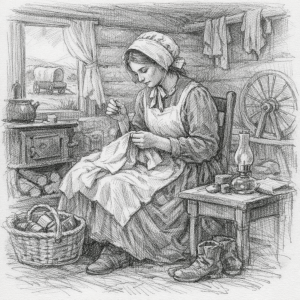
In an era before department stores and sewing machines were common, women were responsible for producing and maintaining nearly every piece of clothing their families wore. They spun wool, carded fibers, wove cloth, tanned hides, and sewed garments by hand. A single shirt could take days to make, and a winter coat might require weeks of preparation and stitching. Clothing was patched and repatched until it could no longer be salvaged, and quilts were assembled from scraps too small for anything else.
Textile work was not merely domestic labor; it was craftsmanship. Women developed an intimate understanding of materials, dyes, patterns, and techniques. They knitted socks, crocheted lace, embroidered linens, and created quilts that were both practical and artistic. These skills were passed down through generations, forming a cultural thread that connected families even as they moved across vast frontiers. In many homesteads, the textiles women produced were valuable trade goods, exchanged for tools, sugar, coffee, or other necessities that could not be made at home.
Healers, Midwives, and Keepers of Knowledge
Medical care on the frontier was scarce, and women became the primary healers by necessity. They learned to treat fevers, infections, wounds, and chronic illnesses using herbal remedies and practical experience. They brewed teas, poultices, and tinctures from plants grown in their gardens or gathered from the wild. They understood which herbs eased childbirth, soothed burns, or reduced inflammation. Their knowledge was often the only medical resource available for miles.
Childbirth was one of the most dangerous events in a woman’s life, and midwives—usually other women—played a crucial role in ensuring safe deliveries. They assisted neighbors, offered comfort, and provided postpartum care. Many women gave birth alone or with only a husband present, returning to work far sooner than their bodies were ready. The emotional and physical toll of childbirth, combined with the constant risk of illness or injury, made women’s health precarious. Yet they continued to care for others even when their own strength was stretched thin.
Teachers, Moral Guides, and Emotional Anchors
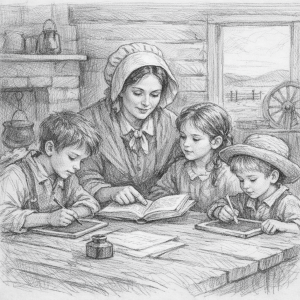
Education on the homestead often began at home. Women taught children to read, write, and perform basic arithmetic. They passed down religious teachings, moral values, and cultural traditions. They nurtured curiosity, discipline, and resilience in children who would grow up to face the same harsh realities of frontier life. In many communities, women also served as schoolteachers, especially in rural districts where formal schooling was limited.
Beyond academics, women were the emotional center of the household. They maintained routines, mediated conflicts, and created a sense of stability in an environment where danger and hardship were constant companions. Their emotional labor—comforting frightened children, supporting exhausted husbands, and managing the psychological strain of isolation—was as essential as their physical work. They carried the burden of worry quietly, often without acknowledgment, because the survival of the family depended on their steadiness.
Farmers, Laborers, and Partners in Survival
Although men are often credited with the physical labor of homesteading, women worked the land alongside them. They planted crops, harvested fields, tended livestock, repaired fences, and hauled water. When men traveled for work, hunting, or trade, women managed the homestead alone. They protected livestock from predators, defended property from intruders, and made decisions that affected the family’s survival.
Women’s labor was not secondary; it was complementary and often overlapping. They were partners in every sense, contributing to the economic stability of the homestead. Their work in dairying, gardening, and textile production often provided the most reliable income, especially during years when crops failed or markets fluctuated. In many cases, women were the financial managers of the household, keeping records, budgeting resources, and making purchasing decisions.
Isolation, Hardship, and the Quiet Strength of Frontier Women
The emotional hardships women faced on homesteads were immense. Isolation was one of the most profound challenges. Homesteads were often miles apart, and women could go weeks without seeing another adult outside their family. Loneliness, depression, and anxiety were common, though rarely spoken of. Letters and diaries reveal the deep emotional strain of frontier life—women wrote of missing family, fearing storms, worrying about illness, and longing for companionship.
Physical danger was ever‑present. Prairie fires, blizzards, droughts, and wild animals threatened daily life. Accidents were common, and medical help was far away. Women worked through illness, pregnancy, grief, and exhaustion because there was no alternative. Their resilience was not romantic or heroic—it was necessary.
Community Builders and Keepers of Culture
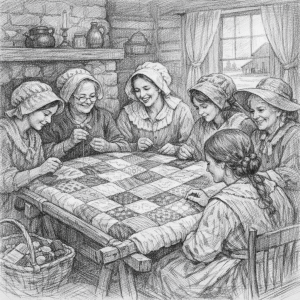
Despite the isolation, women found ways to build community. Quilting bees, church gatherings, harvest celebrations, and shared work days offered rare opportunities for connection. These gatherings were more than social events; they were essential networks of support. Women exchanged knowledge, traded goods, and helped one another through childbirth, illness, and loss. They created a sense of belonging in a landscape that could easily feel overwhelming.
Women also preserved cultural traditions—recipes, songs, stories, and customs that gave families a sense of identity. They passed down skills that defined homestead life and shaped the character of frontier communities. Their influence extended beyond the household, shaping the social fabric of emerging towns and settlements.
The Legacy of Homestead Women
The story of women on 1800s homesteads is one of extraordinary endurance. They were not passive figures in the background of frontier history; they were active builders of homes, families, and communities. Their labor sustained households, their knowledge preserved lives, and their resilience shaped the development of entire regions. They faced hardships with courage and creativity, often without recognition or reward.
To understand the homestead era is to recognize the women who lived it—women whose hands planted seeds, kneaded dough, stitched quilts, delivered babies, taught children, and held families together through every hardship the frontier could offer. Their contributions were foundational, their sacrifices immense, and their legacy woven into the very fabric of American history.